





David Mellor is CEO and Course Director of Audio Masterclass. David has designed courses in audio education and training since 1986 and is the publisher and principal writer of Adventures In Audio.
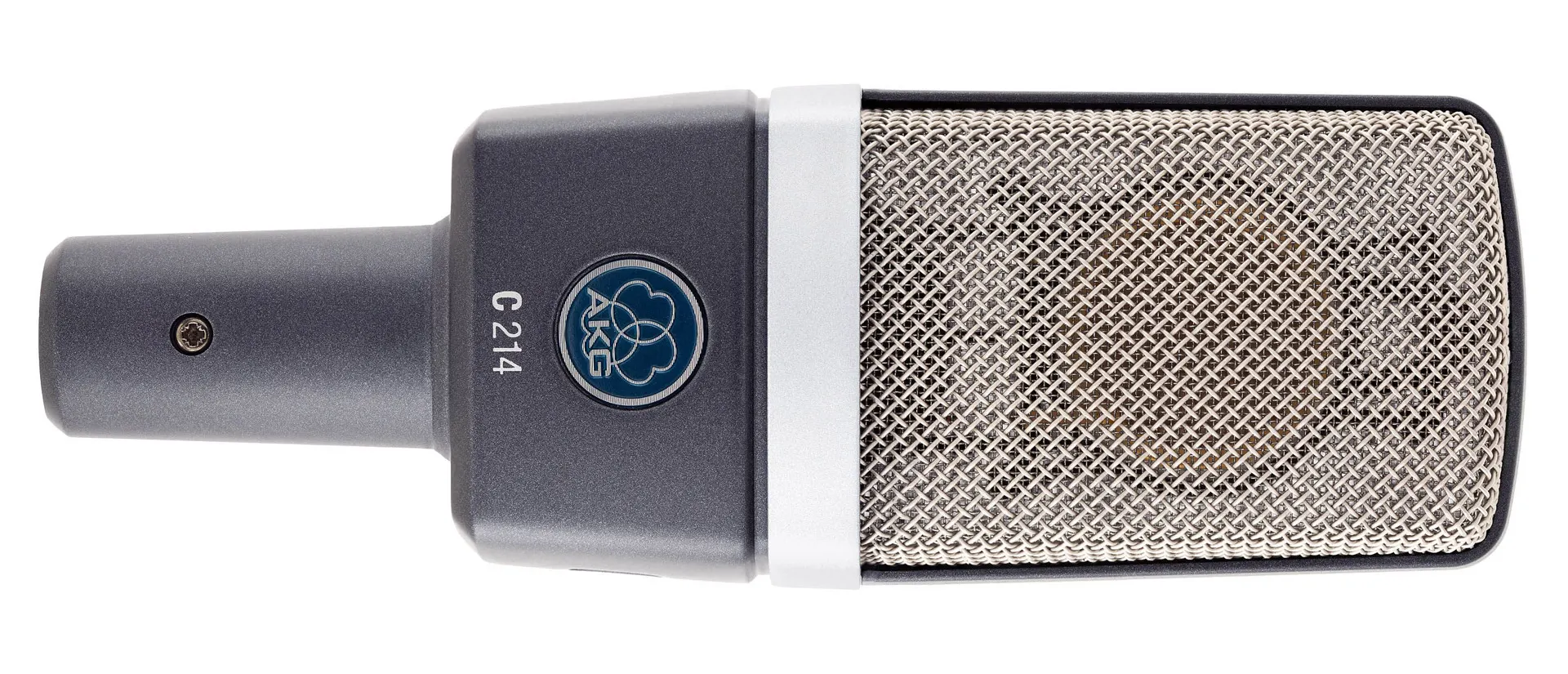
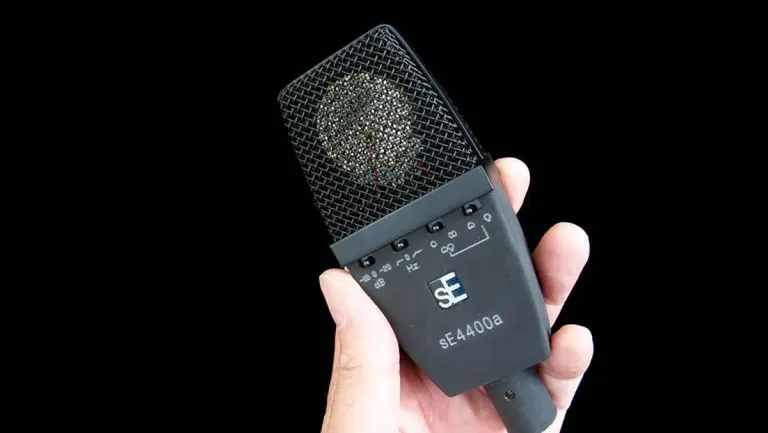
A capacitor microphone works on the principle of Q=CV. If you don't know that, you should know that it's a good sound engineering interview question...
Electrical characteristics:
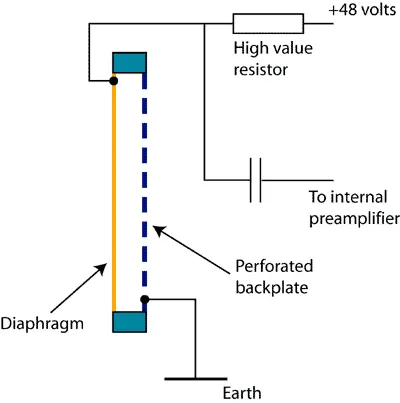
The diaphragm of the microphone forms one of the plates of a capacitor. The other plate is the backplate, which is close to and parallel to the diaphragm.
In any capacitor, Q = C x V - more appropriately represented here as V = Q/C
Because V = Q/C, a capacitor with a low value of capacitance will measure a greater voltage across the plates than a capacitor with a high capacitance, for the same value of charge.
The diaphragm and backplate of the microphone are charged up to a voltage of 48 V (typically). This is done through a high-value resistor so the audio signal is not affected.
The capacitance of any capacitor is governed in part by the separation between the plates. The closer the plates, the higher the capacitance.
Because V = Q/C, if the capacitance changes, then the voltage changes inversely in proportion.
Since one of the plates of the capacitor in the capacitor microphone is the diaphragm, which moves in response to sound, then as the separation between the plates changes in response to that sound, the capacitance changes and so does the voltage across the plates.
The AC component of this changing voltage is the signal produced by the microphone in response to sound.
Further points:
The capacitor microphone can only produce a very weak current from the diaphragm (i.e. it is high impedance). Therefore a capacitor microphone must have an internal amplifier close to the diaphragm.
Capacitor microphones require electricity to charge the diaphragm and backplate, and to power the internal amplifier.
An electret capacitor microphone employs a backplate that is permanently charged, hence there is no requirement for a source of electricity to charge the diaphragm. However, there is still an internal amplifier that requires power. This can be an internal battery.
Like, follow, and comment on this article at , , , or the social network of your choice.

Come on the Audio Masterclass Pro Home Studio MiniCourse - 60 great hints and tips to get your home recording studio MOVING
It's FREE!
Get It Now >>








Great home recording starts with a great home recording studio. It doesn't need to be expensive if you know how to select the right equipment for your needs.